FOR decades, Lagos has been the undisputed heartbeat of Nigeria’s music industry. The megacity, with its glittering studios, bustling record labels, and relentless hustle, has served as the undeniable epicentre and Mecca for aspiring artistes. It is where careers are launched, hits are made, and global deals are signed. From recording studios in Surulere to label offices on Victoria Island, the commercial machinery of Nigerian music has traditionally revolved around this metropolis.
For years, the narrative was simple: if you wanted to make it in the Nigerian music industry, you had to come to Lagos. From Fela’s Shrine to the corporate offices of Sony Music and Premier Records, every beat and every career seemed to originate from or converge in Lagos. However, if you look closer and listen harder, a quiet shift is beginning to unfold across the country. New creative ecosystems are taking shape.
Artists are now recording, performing, and building loyal fan bases in cities once considered peripheral to the industry. Digital distribution, social media, and affordable home studios have lowered the barriers to entry, allowing talent to thrive outside Lagos. While the city undoubtedly remains a powerhouse, a vibrant constellation of new music hubs is rapidly emerging.
These cities are fostering unique sounds, nurturing local talent, and carving out significant niches in the national scene.Cities like Port Harcourt, Enugu, Benin City, Ibadan, and Kaduna are no longer just feeder towns for Lagos-bound dreams. They are becoming destinations in their own right, generating their own stars and driving fresh musical currents.

This raises a compelling question: Is Lagos finally losing its long-held monopoly on Nigerian music? Several factors are driving this exciting decentralisation. First is technology. The democratisation of music production tools — accessible DAWs, affordable audio interfaces, and high-quality microphones — means artistes no longer need state-of-the-art Lagos studios to create professional-sounding tracks. A talented producer with a laptop in Benin City can now compete sonically with one in Lekki.
Secondly, the internet and social media have shattered geographical barriers. Viral hits can now originate from anywhere, gaining traction online before ever reaching a Lagos radio station. Artists can build dedicated fan bases directly, bypassing traditional gatekeepers and leveraging platforms like TikTok, Audiomack, and YouTube to connect with global audiences.

Busy streets in Lagos, Nigeria, West Africa
Thirdly, the saturation and high cost of living in Lagos are pushing talent outward. The competition is fierce, living expenses are astronomical, and the constant noise can be overwhelming. For many, building a foundation in a city with lower overheads and a more intimate creative community offers a more sustainable path to success.
Finally, there is the undeniable pull of local flavour. Each region of the country possesses a distinct cultural tapestry, dialect, and sonic palette. As artists create closer to their roots, they inject these unique elements into their music, offering something genuinely fresh and authentic that captivates audiences hungry for diversity beyond the mainstream Lagos sound.
The New Hubs
Port Harcourt: The Resilient Sound of the South-South
If any city has consistently challenged Lagos’s dominance, it is Port Harcourt. The Rivers State capital has long been a hotbed of musical talent, known for its gritty, energetic, and often street-wise anthems. The city continues to assert itself as one of Nigeria’s most consistent talent hubs. Its thriving music cult

ure, blending native African and foreign-influenced genres, is shaped by its working-class roots and vibrant youth population. Artists from the region often fuse raw storytelling with energetic rhythms, creating sounds that resonate strongly with grassroots audiences.Port Harcourt boasts one of the liveliest club scenes in the country, along with numerous music venues, bars, and restaurants.
As of 2015, hip-hop, pop, highlife, and reggae remained the most popular genres among the city’s young people.The city is home to record labels such as NoDo Records, Froshboi Media, Empire Dreamin Records, 7dnaija Record, InterSpace Publishing, and Grafton Entertainment — one of Africa’s biggest labels.It has also produced many locally and internationally admired musicians, including Duncan Mighty, Timaya, Burna Boy, Omah Lay, Muma Gee, Mercy Chinwo, Ajebo Hustlers, 1da Banton, Mr. 2Kay, Idahams, and many others.Duncan Mighty, popularly known as “Port Harcourt First Son,” defined an era in the mid-2000s with his fusion of highlife, R&B, and local patois.
Earlier pioneers include Maud Meyer, a Nigerian-born Sierra Leonean jazz singer who rose to prominence in the 1950s, and Cardinal Rex Lawson, whose Mayor’s Dance Band helped shape African highlife in the 1960s. Reggae has also long been part of the city’s DNA, with acts like Daniel Wilson, Duncan Mighty, Timaya, and Muma Gee (who began as a reggae artist) leading the way. Today, a new generation is carrying the torch. Global Afrobeats superstar and Grammy winner Burna Boy, whose early sound was shaped by the city’s energy, remains deeply connected to Port Harcourt.
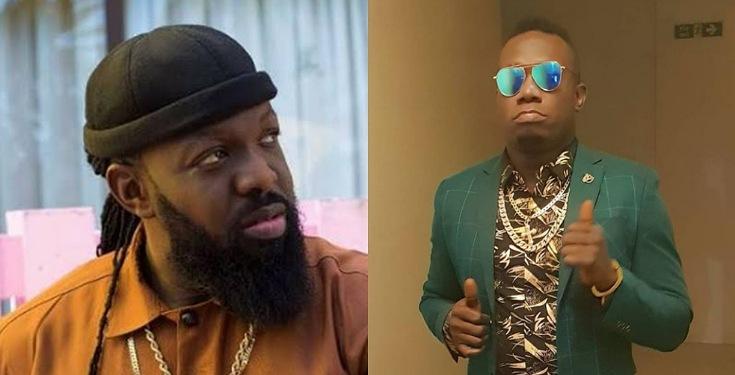
Others like Omah Lay, DanDizzy, Ric Hassani, and gospel star Mercy Chinwo continue to fly the flag. With its robust nightlife, university culture, oil wealth, and growing independent studios, Port Harcourt is sustaining a thriving ecosystem where artistes can develop without necessarily relocating to Lagos.
Enugu: The Eastern Soul and Swagger
Dubbed the Coal City, Enugu stands as the premier hub of Eastern Nigerian music. Often regarded as the heart of Igbo culture, it has long been a vibrant centre for highlife, hip-hop, and indigenous sounds such as Ogene and Ekwe.The city’s music scene blends soulful Igbo highlife influences with contemporary Afrobeats and hip-hop swagger.
It has nurtured talents like Michael Ejeagha, Mr Raw, Slowdog, Mc Loph, 2Face Idibia, Phyno, Flavour, and legendary producer-musician William Onyeabor. Icons such as Sonny Okosun and Celestine Ukwu further enriched its legacy.Once a dominant cultural centre in eastern Nigeria, Enugu is experiencing a creative resurgence driven by new talent and renewed investment in entertainment infrastructure.
Artists frequently incorporate Igbo language, proverbs, and storytelling into their lyrics, creating music that resonates locally while maintaining national appeal.The city’s relaxed pace and strong cultural identity provide fertile ground for unique sounds. Its large university population — from the University of Nigeria Nsukka (UNN) to ESUT and IMT — ensures a constant flow of young talent and receptive audiences.
Popular events like the 042 Festival, shows at Okpara Square, and regular gigs keep the scene alive, especially during festive periods. With local studios, promoters, and community radio stations supporting growth, many observers believe the heart of hip-hop and indigenous music has shifted eastward, reducing reliance on Lagos.
Ibadan: A Fusion of Tradition and Trend
Historically known for its academic and cultural institutions, Ibadan is emerging as a creative hub powered by youth innovation and digital connectivity. Just a short drive from Lagos, Nigeria’s largest city by landmass, offers a different kind of musical vibrancy. The scene is defined by experimentation — blending traditional Yoruba percussion and melodic structures with contemporary Afrobeats, hip-hop, and R&B to create a distinct Afro-fusion that feels both rooted and modern.
Its robust campus culture at institutions like the University of Ibadan and The Polytechnic Ibadan brings a constant influx of fresh ideas. Lower living costs compared to Lagos have made it attractive to young artistes seeking to build careers without extreme financial pressure. Producers and artistes in Ibadan are cultivating strong regional followings through local gigs, community collaborations, and online platforms. Many then leverage this momentum to break nationally, often collaborating with Lagos-based acts rather than relocating entirely.
Benin City: Contemporary Sound with Groove Resurgence
Benin City, the ancient capital of the Edo Kingdom, has always been a cultural powerhouse with a rich traditional and highlife heritage. Today, its artistes are blending this legacy with contemporary production styles. The city nurtures performers who combine traditional storytelling and soulful vocal delivery with modern rhythms and unique percussive elements. Music entrepreneurs are investing in studios, talent development programmes, and community events, creating solid infrastructure for emerging talent.
Artists draw heavily from the Bini language and folklore, producing music that is distinctly Edo yet appeals to wider audiences. The relatively lower cost of living and strong community bonds give artistes space to develop organically, away from Lagos’ intense commercial pressures. Observers believe this cultural richness and authenticity give Benin City a unique edge in an industry that increasingly values genuine expression.
Kaduna: Northern Nigeria’s Rising Pop Frontier
In northern Nigeria, Kaduna is quietly establishing itself as a significant musical hub. Its youthful population and expanding digital access have fueled creativity, particularly in pop and Afro-fusion genres. Kaduna’s artistes skillfully blend traditional Northern sounds with hip-hop, R&B, and Afrobeats.
They incorporate local languages and rhythms into modern production, often delivering lyrics in Hausa or Hausa-English mixes that reflect the realities and aspirations of Northern youth. Social media influencers and local DJs play a key role in amplifying these sounds and creating viral moments. The city’s burgeoning independent music ecosystem demonstrates the resilience and creativity of its artists, proving that commercial success no longer requires a move South.

Lagos Losing Its Monopoly… A Nuanced Perspective
Despite the rise of these regional scenes, industry experts caution against declaring the end of Lagos’ dominance. To say “Lagos is losing its monopoly” may be an overstatement. The city remains the commercial nerve centre of music distribution, home to the headquarters of major record labels, major media houses, and the biggest concentration of industry veterans. It continues to serve as the primary gateway to international markets, with major collaborations, national marketing campaigns, and global deals still largely brokered there.
According to Rotimi Ige, Entertainment Editor at Nigerian Tribune, “Technology has democratised music production and promotion, allowing artistes to build careers from anywhere. Instead of relocating immediately to Lagos, many musicians now establish themselves locally before expanding nationally.”
“Artistes from Ibadan, Port Harcourt, Enugu, Benin, or Kaduna are no longer looking to Lagos solely for validation. They are building robust local fan bases, developing unique sounds, and using digital platforms to launch their careers. When they eventually engage with Lagos, it’s often from a position of strength — with an established brand and a loyal following — rather than as unknown hopefuls.”
“This decentralisation is a sign of a maturing and diversifying industry. It’s a healthy development that injects new energy, sounds, and perspectives into Nigerian music, ensuring it remains dynamic and reflective of the nation’s rich cultural tapestry,” he added.
Looking ahead, the future of Nigerian music is not confined to Lagos alone. It is radiating outward — from the bustling streets of Port Harcourt to the ancient groves of Ibadan, the Edo heartland of Benin City, the vibrant culture of Kaduna, and the soulful vibes of Enugu.
The real question is not whether Lagos is losing its grip, but how these new hubs will reshape the sound of Nigeria and push it to even greater global heights. The music is getting richer, the voices more diverse, and the journey more fascinating than ever.