
The greatest honour that can be bestowed on Professor Wole Soyinka is not engraving his name on the building’s façade. It is ensuring that the institution carrying his name becomes the intellectual and artistic powerhouse of Africa—a place where ideas are rehearsed, challenged, performed and celebrated without unnecessary barriers… Nigeria deserves a National Theatre that belongs to Nigerian artists… The Wole Soyinka Centre for Culture and the Creative Arts deserves to be remembered as the home of Nigerian creativity—not merely as the country’s most expensive event centre.
THE rebirth of Nigeria’s National Theatre was greeted with excitement across the creative community. For years, artists, playwrights, dancers, musicians, filmmakers and culture enthusiasts had longed for the day the country’s foremost cultural edifice would once again become the heartbeat of Nigeria’s creative ecosystem. The renaming of the complex as the Wole Soyinka Centre for Culture and the Creative Arts further heightened expectations.
Many believed that after years of neglect, Nigeria was finally returning its most iconic cultural institution to those for whom it was built — the artists.
Sadly, reality appears to be telling a different story.
Today, many culture and arts practitioners look upon the magnificent structure from a distance, wondering whether they are visitors in their own home. The building has become more accessible to event planners than to theatre practitioners. The calendar appears more attractive to corporate ceremonies than to institutional artistic programming. One begins to wonder whether somewhere between the reconstruction and reopening, the National Theatre quietly transformed into a premium event centre wearing the costume of a cultural institution.

That is the tragedy.
The National Theatre was never conceived as an events arena. It was built as Nigeria’s foremost arts and culture centre — a place where creativity lives daily, not occasionally. Great cultural institutions across the world thrive because they are driven by carefully institutionalised programming. There are resident companies, repertory productions, educational engagements, artist residencies, festivals, workshops, children’s theatre, dance seasons, music concerts, exhibitions and community outreach. These are the activities that make a theatre breathe. Hall rentals merely support the ecosystem; they do not define it.
Unfortunately, one gets the impression that those currently steering the affairs of the Centre have mistaken a cultural institution for a commercial property. If the measure of success becomes the number of halls rented out for ceremonies instead of the number of productions nurtured, then something fundamental has been lost.
The management under Disun Holloway appears yet to fully appreciate that culture cannot be managed like banking operations. A theatre is not a banking hall. Creativity does not operate on deposit slips, balance sheets and quarterly projections alone. Art requires vision, accessibility, collaboration and consistent programming. The economics of culture are different from the economics of finance, even though both demand accountability.
This is why the committee of eminent bankers that midwifed the refurbishment deserves commendation for restoring the physical infrastructure. They mobilised resources and returned dignity to a national monument. That achievement should never be discounted.
However, refurbishing a building is one assignment. Running a national cultural institution is an entirely different profession.
The Board must now recognise that it cannot successfully build a thriving creative economy without the active participation of those who understand the business of culture. Theatre practitioners, festival organizers, arts administrators, creative entrepreneurs, museum professionals, producers, directors, choreographers, musicians, playwrights and cultural economists are not mere stakeholders — they are the industry’s operating system. Ignoring them while attempting to build a sustainable arts business is like constructing an airport without consulting pilots.
Ironically, these same practitioners can help the Board generate far greater and more sustainable revenue than occasional commercial bookings ever will. A properly programmed National Theatre attracts audiences all year round. Audiences spend money. Productions create employment. Festivals stimulate tourism. Educational programmes develop future patrons. International collaborations bring investment. This is how culture becomes business—not by reducing a national monument to an elegant event venue.
One cannot help but ask a simple question: beyond the sparkling floors, luxurious interiors and impressive lighting, how purposeful is this new edifice? Can resident theatre companies truly call it home? Can directors rehearse without bureaucratic bottlenecks? Can young playwrights stage experimental works? Can dance companies rehearse regularly? Can university theatre departments access the facilities? Can festivals return without being priced out of existence? Can the average Nigerian artist honestly say the National Theatre belongs to them?
If the answer to these questions is uncertain, then perhaps the renovation remains incomplete.
A theatre is not measured by the beauty of its walls but by the stories told within it. It is not remembered for its chandeliers but for the generations of artists it nurtures. It is not celebrated because it hosts glamorous ceremonies, but because it inspires creativity every single day.
The greatest honour that can be bestowed on Professor Wole Soyinka is not engraving his name on the building’s façade. It is ensuring that the institution carrying his name becomes the intellectual and artistic powerhouse of Africa—a place where ideas are rehearsed, challenged, performed and celebrated without unnecessary barriers.
Nigeria deserves a National Theatre that belongs to Nigerian artists.
The creative industry deserves leadership that understands that institutional programming, not occasional glamour, is the engine room of cultural development.
The Wole Soyinka Centre for Culture and the Creative Arts deserves to be remembered as the home of Nigerian creativity — not merely as the country’s most expensive event centre.
Until that vision becomes reality, one uncomfortable conclusion continues to stare us in the face.
If the Wole Soyinka Centre for Culture and the Creative Arts is to truly become Nigeria’s foremost cultural institution rather than simply its most glamorous event venue, then its leadership philosophy must urgently change. The creative community deserves a management approach that places artists, institutional programming and cultural development at the heart of its mission.
For now, one cannot help but conclude that what is required is not merely a refurbished building, but a renewed commitment to the very purpose for which the National Theatre was established. Anything short of that would be a disservice to the legacy of Professor Wole Soyinka and to generations of Nigerian artists who have always regarded this institution as their creative home.
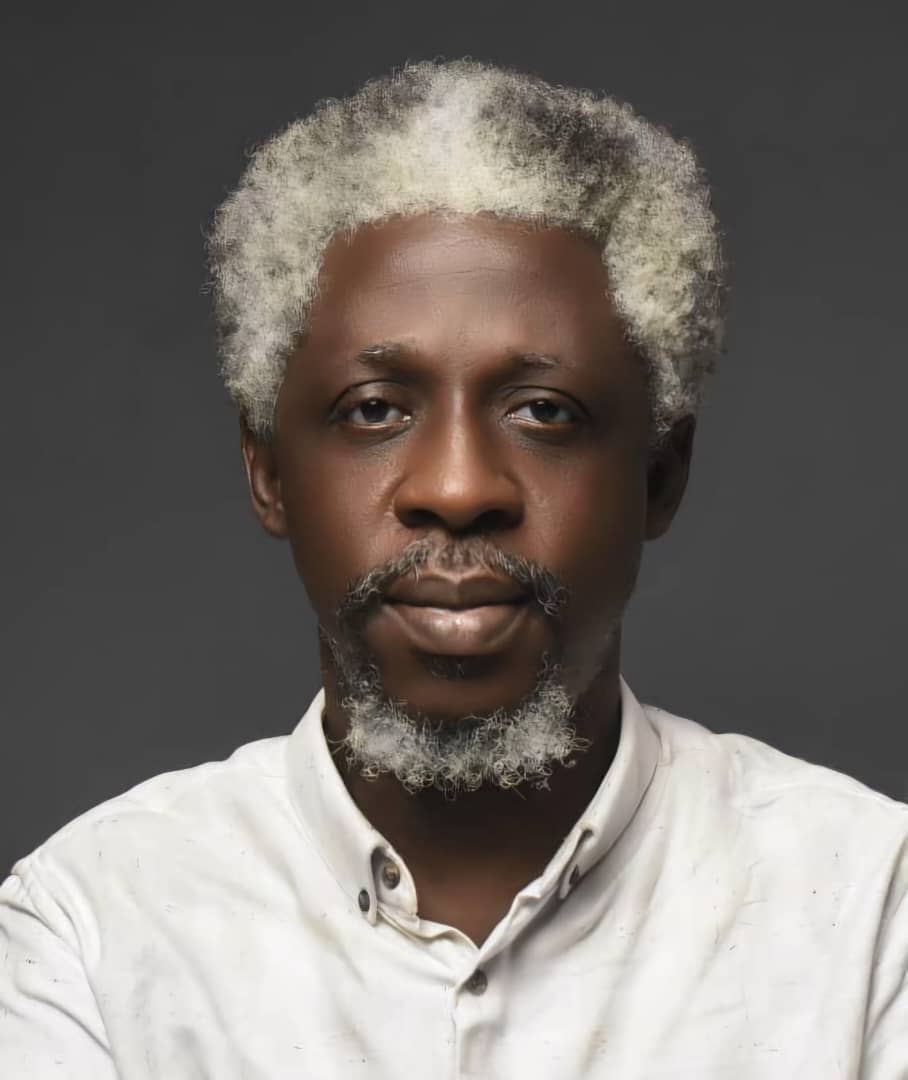
- Makinde is the President, National Association of Nigerian Theatre Arts Practitioners (NANTAP)