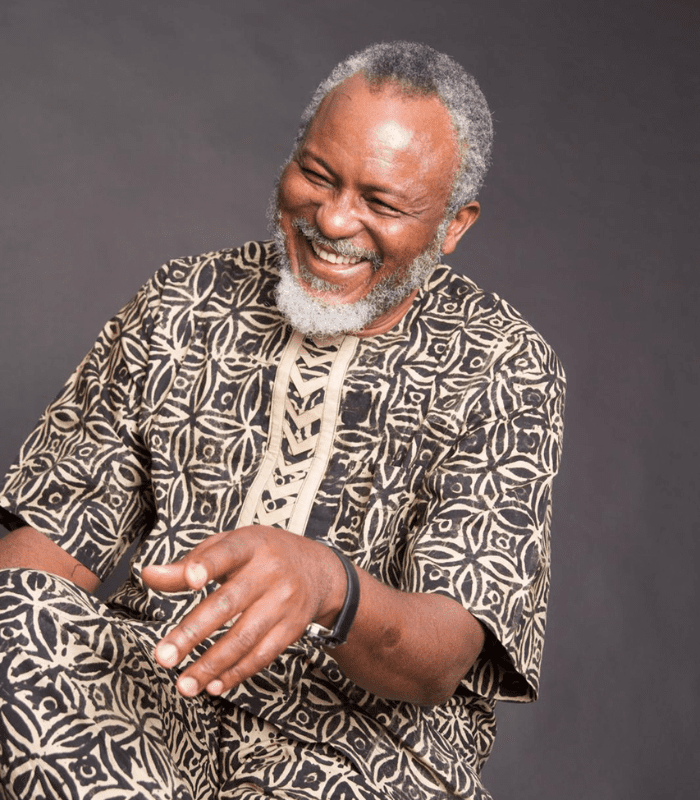
…Fagbenle endured harassment, intimidation, and persecution, yet he never wavered in his commitment to freedom. His incisive commentaries exposed the excesses of military rule and kept the democratic cause alive at a time when dissent was dangerous. In his Democracy Day speech, President Bola Tinubu acknowledged the sacrifices of honourees like Fagbenle, noting that they suffered persecution, endured indignities, exile, incarceration, and even solitary confinement so that Nigeria could enjoy democracy today
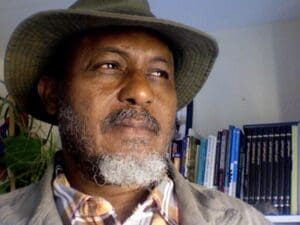
As Nigeria continues to grapple with challenges of governance, accountability, and civic trust, the recognition of Tunde Fagbenle serves as both a tribute and a call to action. His life reminds us that democracy is never fully secured, it must be defended daily through truth, courage, and the willingness to speak out against injustice. Honouring him is not only about remembering the past but also about inspiring the present generation to uphold the values for which he risked everything
NIGERIA has once again celebrated one of its most courageous voices, Tunde Fagbenle, OON (Officer of the Order of the Niger), honoured for his fearless journalism and activism during the country’s military era. His writings became a beacon of resistance against dictatorship and a rallying point for pro-democracy activists during the June 12 struggle. Through his columns, he consistently defended the mandate of Chief M.K.O. Abiola, insisting that the annulment of the 1993 presidential election was a betrayal of Nigeria’s democratic aspirations.
During those turbulent years, Fagbenle endured harassment, intimidation, and persecution, yet he never wavered in his commitment to freedom. His incisive commentaries exposed the excesses of military rule and kept the democratic cause alive at a time when dissent was dangerous. In his Democracy Day speech, President Bola Tinubu acknowledged the sacrifices of honourees like Fagbenle, noting that they suffered persecution, endured indignities, exile, incarceration, and even solitary confinement so that Nigeria could enjoy democracy today.
Beyond the June 12 struggle, Fagbenle has remained a respected voice in Nigerian media. His writings on governance, civil rights, and national development continue to shape public discourse and inspire younger generations of journalists.

Born on October 4, 1947, in Zaria, Fagbenle grew up in Minna where he attended primary school. He later studied at Kírìjì Memorial College, Igbajo, where he developed a passion for writing and public affairs. He pursued postgraduate studies at Goldsmiths College, University of London, where exposure to diverse intellectual traditions sharpened his commitment to democratic ideals.
In London, Fagbenle established Nigeria HomeNews, a weekly newspaper that ran between 1989 and 1992. The publication became a vital platform for Nigerians in the diaspora, offering news, commentary, and analysis that kept the community informed about developments back home. It also provided space for pro-democracy voices and helped sustain the struggle against military dictatorship from abroad. From 1995, he was a columnist for the Sunday Punch for more than twenty years.
Fagbenle also founded the Movement for Democracy and Human Rights in Nigeria (MDHRN) while in the UK, mobilizing Nigerians abroad to campaign against military rule and to press for the validation of Chief M.K.O. Abiola’s mandate. His activism made him a target of the Abacha regime, and he was persecuted and detained in solitary confinement during a visit to Nigeria in 1996.
He is married and blessed with children, among them the celebrated actor Olatunde ‘O‑T’ Fagbenle. His family connections extend into the arts and media, underscoring the breadth of his influence across generations.
The June 12, 1993, presidential election is widely regarded as the freest and fairest in Nigeria’s history. Chief M.K.O. Abiola won with broad national support that transcended ethnic and religious divides. However, the military government annulled the results, plunging the nation into crisis. The annulment sparked widespread protests, civil disobedience, and international condemnation.
Pro-democracy activists, journalists, and civil society groups rallied to defend Abiola’s mandate and demand a return to civilian rule. Fagbenle’s writings were central to this movement, exposing the injustice of the annulment and keeping the democratic cause alive when open dissent was dangerous. Alongside other activists, he insisted that the annulment represented a betrayal of Nigeria’s democratic aspirations.
The June 12 struggle eventually contributed to the end of military rule in 1999, but not before many activists, including Fagbenle, endured persecution, exile, and imprisonment. His recognition today is not only a personal honour but also a reminder of the sacrifices made by those who kept the flame of democracy burning when it was most at risk.
Tunde Fagbenle’s journey from Nigeria to the United Kingdom and back, his fearless journalism, his establishment of Nigeria HomeNews, and his family’s creative contributions together paint the portrait of a man whose impact transcends generations. His life story is a testament to the power of words in the struggle for freedom, and his recognition is a reminder of the enduring importance of courage, resilience, and an unwavering belief in Nigeria’s democratic destiny.
As Nigeria continues to grapple with challenges of governance, accountability, and civic trust, the recognition of Tunde Fagbenle serves as both a tribute and a call to action. His life reminds us that democracy is never fully secured, it must be defended daily through truth, courage, and the willingness to speak out against injustice. Honouring him is not only about remembering the past but also about inspiring the present generation to uphold the values for which he risked everything.
- Dr Adeyemi is Assoc. Professor of Drama at the University of East Anglia, UK.