What makes Medaaye compelling is its ability to bridge cultures and centuries. It is more than adaptation; it is a cultural dialogue that reminds us how timeless themes of love, betrayal, and revenge echo across civilizations. The fusion of Yoruba ritual with Greek tragedy created a theatrical experience that was both familiar and foreign, a reminder of the shared human emotions that transcend culture and time.
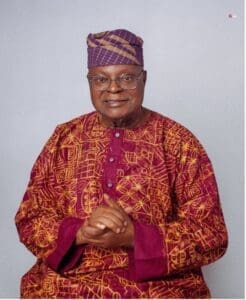
Femi Osofisan’s genius lies in his ability to make ancient narratives speak to contemporary realities, and Awosanmi’s direction ensured that this power was vividly demonstrated.
THE Wole Soyinka Theatre at the University of Ibadan was transformed into a charged space of ritual and myth last night as Femi Osofisan’s Medaaye unfolded before a packed audience. Directed by the accomplished Tunde Awosanmi, the production offered a daring reimagining of Euripides’ Medea, transposed into the turbulent era of Yoruba tribal wars. What emerged was not simply an adaptation but a cultural dialogue, a fusion of Greek tragedy and Yoruba ritual that resonated with both intellectual depth and visceral power.
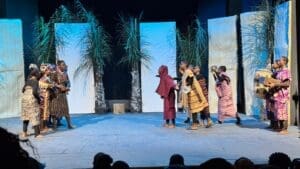
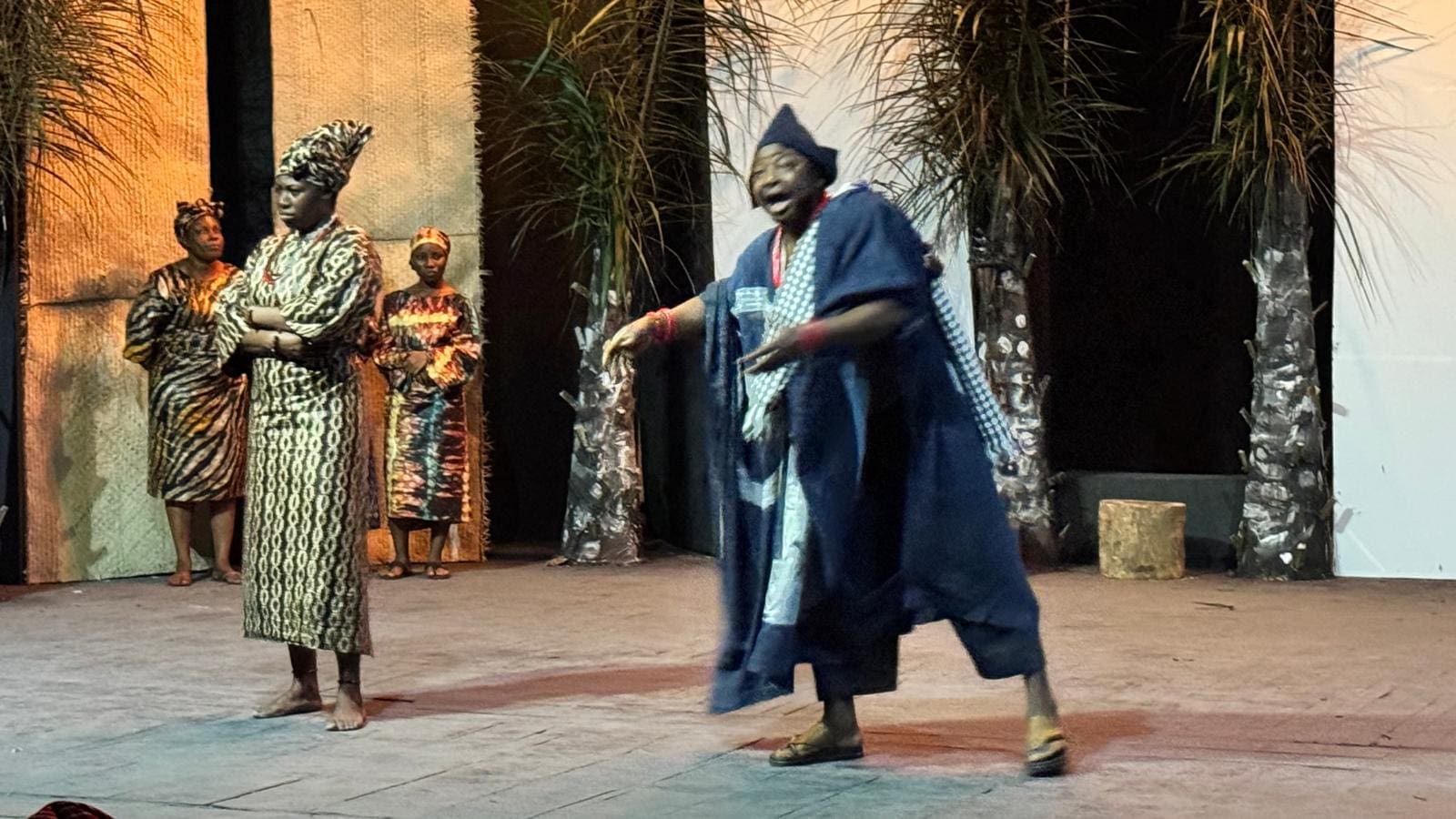
From the opening moments, anticipation filled the air. The stage pulsed with ritual sequences punctuated by ecstatic bàtá drumming, whose rhythms carried the audience into a world of betrayal, vengeance, and tragic love. Awosanmi’s direction leaned heavily into spectacle, weaving sound, movement, and ritual into a tapestry that heightened emotional intensity. The drumming was not mere accompaniment but a driving force, shaping the mood and underscoring the unfolding tragedy. Water, lights, and symbolic motifs such as palm trees and ogboni staffs added layers of meaning, some of which defied easy explanation, yet all contributed to the sense of immersion in a world where myth and history collided.
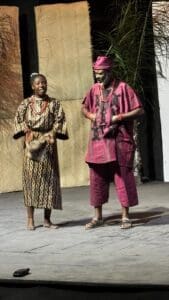
Firopo Ewenla’s portrayal of Kurunmi was commanding and nuanced. Kurunmi, remembered in history as the fierce Aare Ona Kakanfo of Ijaye, was presented with both strength and vulnerability. Ewenla infused the role with a human dimension, allowing the audience to glimpse the cost of pride and jealousy. His performance anchored the moral dilemmas of the play, making the tragedy resonate beyond its classical roots. The ensemble cast matched his intensity, delivering with passion and conviction. At times, the production’s length tested the patience of the audience, but the sheer energy of the choreography and the haunting ritual chants ensured that attention never waned for long.
Audience reactions were however varied. One spectator, overwhelmed by the percussion and flashing lights, was rumoured to have been possessed by the spirit of Oya, though the episode subsided once she was removed from the strobe effect. Others cheered their favourite actors loudly, sometimes drowning out dialogue, a reminder of the participatory spirit that defined Yoruba Travelling Theatre in the last century.

Costuming and stage design were equally striking. The grandeur of Yoruba tradition was evoked through elaborate costumes and symbolic set pieces, while the universality of Greek tragedy was never lost. The visual richness complemented the thematic depth, creating a layered experience that was both intellectually stimulating and emotionally moving. Particularly evocative was the use of the akunyungba orchestra, who served as narrators and commentators in a manner reminiscent of the Greek chorus. Their presence provided continuity and reflection, guiding the audience through the complex interplay of myth and history.
Medaaye is remarkable for its dual narrative structure. The first tale is that of Buje, set in the Yoruba prehistoric mythical world where humans and animals lived together. Kerebuje, famed for her beauty, rejected countless marriage proposals, insisting on love rather than convenience. Her refusal angered her parents and community, leaving her isolated. Ijapa the tortoise, known for cunning, desired her and devised a plan. He placed a dying snake on her path, prompting her panic and plea for help. Pretending to injure himself while killing it, Ijapa exaggerated his pain, guilt-tripping Kerebuje into carrying him home. This parable of pride, manipulation, and the search for genuine love resonates with the larger narrative, offering a thematic prelude to the tragedy of Medaaye herself.
The second narrative is that of Medaaye, the fabled granddaughter of the goddess Oya. Against all entreaties, she married Atipo, a warrior under Kurunmi. When Atipo sought to marry Kurunmi’s daughter and rise as a war assistant, Medaaye invoked her waning spiritual powers in desperation. In a shocking act, she killed her children, a deed that precipitated the catastrophic end of the war between the Ibadan army led by Ogunmola and the Ijaye army led by Atipo. This narrative, echoing Euripides’ Medea, is transposed into Yoruba history, creating a fusion of myth, ritual, and tragedy that speaks to both local and universal audiences.
The contrast with Euripides’ original is striking. In Medea, the heroine sacrifices everything for her husband Jason, betraying her own family to help him succeed. When Jason abandons her to marry another woman, Medea is consumed by rage and humiliation. She takes revenge by sending a poisoned gift that kills Jason’s new bride and her father. In the most shocking act, she murders her own children to wound Jason irreparably, then escapes, leaving him broken and powerless. It is a timeless tragedy of love, betrayal, and vengeance. Medaaye too sacrifices everything, including killing her children, but she does not escape. Instead, she becomes Oya incarnate, spectacularly aiding the Ibadan army in defeating the Ijaye army led by her husband. The divergence underscores Osofisan’s genius in reworking ancient narratives to speak to contemporary realities, embedding them within Yoruba cosmology and history.
The tragic ending was marked by spectacle. Water, lights, and heavy percussive drumming created a sensory overload that mirrored the emotional devastation of the narrative. Ritual symbolism abounded, from the ogboni staffs used in the dance of Oya to the palm tree motifs decorating the set. These elements were not merely decorative but imbued with cultural significance, deepening the resonance of the performance. The audience was visibly moved, responding with a standing ovation that testified to the intensity of what they had witnessed.
What makes Medaaye compelling is its ability to bridge cultures and centuries. It is more than adaptation; it is a cultural dialogue that reminds us how timeless themes of love, betrayal, and revenge echo across civilizations. The fusion of Yoruba ritual with Greek tragedy created a theatrical experience that was both familiar and foreign, a reminder of the shared human emotions that transcend culture and time. Femi Osofisan’s genius lies in his ability to make ancient narratives speak to contemporary realities, and Awosanmi’s direction ensured that this power was vividly demonstrated.
The performance concluded with rapturous applause, anticipation building for the command performance scheduled for today. If last night’s staging is any indication, the command performance promises yet another unforgettable encounter with Osofisan’s tragic masterpiece. Medaaye is not simply a play but an event, a ritual, a dialogue across time and culture. It is a production that will continue to resonate long after the final drumbeat fades, reminding us of the enduring power of theatre to illuminate the human condition.