
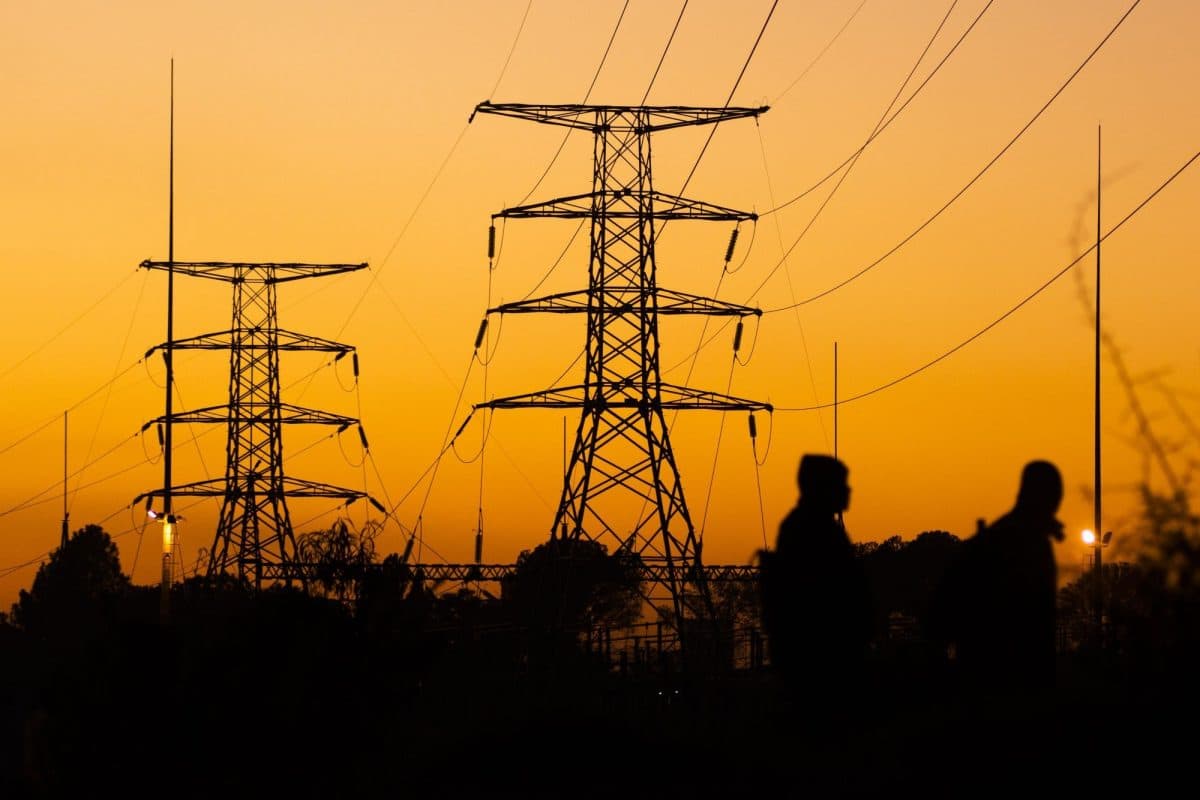
Nigeria’s electricity supply in early 2026 remains low and unreliable. Average available generation in February 2026 stood at 4,384 MW out of an installed capacity of 13,625 MW, with a plant availability factor of 32%.
Actual hourly generation often hovered around 4,000–4,300 MW, and many areas reported 1 hour or less of power per day.This level is similar to or lower than recent years.
Here is a comparison of average generation over the last five years:
2025: Around 4,634 MW on average, with some quarters reaching over 5,300 MW available.

2024: 4,178 MW average.
2023: 4,201 MW average.
2022: About 3,988–4,000 MW average.
2021: Higher available capacity than later years, but actual generation still in the low 4,000 MW range.
Generation in early 2026 has been weaker than 2025 and close to the lower figures seen in 2024 and 2023. Gas supply shortages and high sector debts have kept many plants offline.
On grid stability, the national grid collapsed at least twice in January 2026. This is higher than the full-year total for 2025 (around 4–5 collapses) but lower than 2024, which saw 12 collapses.
Over the five-year period, collapses have been fewer on average under the current administration compared to earlier years, but early 2026 started with more incidents.
Most Nigerians continue to face rolling blackouts. Businesses rely on expensive generators, and essential services are often disrupted. The problems stem from the same long-standing issues: gas shortages, aging plants, and transmission limits that can only handle 5,500–8,500 MW reliably.
The situation in 2026 so far shows no major improvement over the previous five years. Output remains far below the estimated 20,000 MW+ needed for the country’s population of over 230 million.
Officials have pointed to ongoing efforts to fix gas debts and improve supply, but daily life for many households and businesses has stayed difficult.