
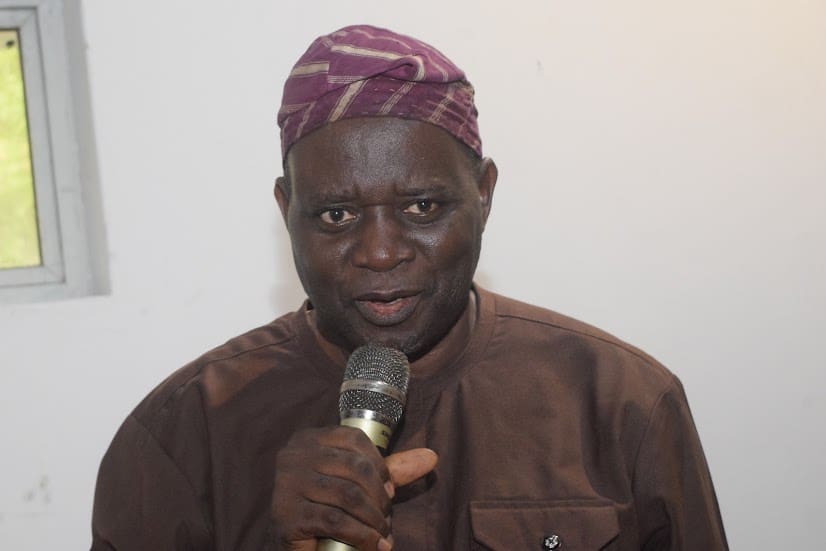
A museum is a permanent institution established for the collection, preservation, study, interpretation, and exhibition of objects and materials that possess cultural, historical, artistic, scientific, or educational value. Museums serve as centers of learning, research, conservation, and public enlightenment. They help preserve the heritage of humanity for present and future generations while also promoting education, recreation, and cultural identity.
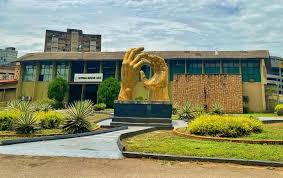
In a world increasingly threatened by division, intolerance, and conflict, museums remain vital cultural institutions capable of reminding humanity of its interconnectedness and shared destiny. Far beyond being storehouses of objects, museums are transformative spaces where history, memory, creativity, and dialogue converge to build bridges across social, cultural, religious, and political divides.
Introduction
IT gives me immense pleasure to stand before this august gathering, having been granted the distinct privilege of delivering today’s paper that is nonetheless timely and Germain to the continued unity of Nigeria in particular and the entire world in general. “Museums uniting a divided world.” Today’s world space; you will agree with me has been characterized by strife, unnecessary wars, conflicts, religious intolerance, banditry, kidnapping, etc.
In the face of this global disorders, the museum as institution stand to promote genuine dialogue, lasting cooperation and peaceful co-existence. I hope you all know and believe with me that the world richest and respected organization is not the Central Bank of the Federation, neither is it the largest oil refinery or the largest gold shop but the museums of different countries.

It will be heartwarming to know that the National Museum, Onikan, Lagos under the curatorship of Mr. Martins Akanbiemu gave myself and my hardworking contemporaries the opportunities of early exposition of our works in the late1980’s (1986-1989)- It is also gratifying to note that the management believed in us so much that I had my first solo exhibition in September, 1989. The National museum was one of the organizations that made us who we are as veteran artists today. I could recollect vividly after my solo exhibition, I was invited for an art residency in Brooklyn, New York, United States of America. A lady curator at a gallery in Manhattan, New York saw my profile as having shown my works at the National Museum of my country concluded that I was famous in my country. She advised I should stay with my roots, Nigeria. Here we are today again under the auspices of another curator, Mrs. Nkechi Adedeji inviting me as an art scholar to deliver a paper titled: Museum uniting a divided world. I cannot thank you enough for the value placed on me as a Nigerian artist.
Have we at any point asked or refreshed our minds on the question; What is a Museum? This paper will bring our memory back to reckoning as well as discuss the fundamentals of the theme of the 2026 international museum day: MUSEUMS UNITING A DIVIDED WORLD.
A museum is a permanent institution established for the collection, preservation, study, interpretation, and exhibition of objects and materials that possess cultural, historical, artistic, scientific, or educational value. Museums serve as centers of learning, research, conservation, and public enlightenment. They help preserve the heritage of humanity for present and future generations while also promoting education, recreation, and cultural identity.
According to the International Council of Museums (ICOM), a museum is: “A non-profit, permanent institution in the service of society and its development, open to the public, which acquires, conserves, researches, communicates and exhibits the tangible and intangible heritage of humanity and its environment for education, study and enjoyment.”
Museums are important because they:
- Preserve historical and cultural heritage.
- Educate the public.
- Promote tourism and national identity.
- Encourage research and scholarship.
- Inspire creativity and artistic appreciation.
In essence; Museums are invaluable institutions that preserve the memory, creativity, achievements, and heritage of humanity. They function not only as storehouses of artifacts but also as educational and cultural centers that promote research, creativity, tourism, national pride, and intercultural dialogue. The different types of museums reflect the diversity of human civilization and knowledge, making museums vital instruments for societal growth, global understanding and instruments of unity.
In other for us to dive into the ocean of this paper, we need to ask ourselves another question.” Is the world divided today?
From the many reported cases and issues this paper will highlight for our understanding it may be clear that the world is significantly divided. It is not an understatement to note that though the world as at today is more interconnected than at any previous period in human history. Advances in communication, transportation, trade, and technology have brought people closer together, yet deep divisions persist along political, economic, religious, ethnic, cultural, and ideological lines.
Noticeable features of our divided world
The contemporary world is characterized by numerous forms of division:
Armed conflicts and wars continue in various regions (Boko Haram, ISWAP, ISIS Taliban,
Al-Qaeda, etc).
Political polarization is increasing within many nations (Ukraine/Russian war).
Economic inequality separates wealthy and poor societies and individuals.
Religious and ethnic tensions fuel discrimination and violence.
Nationalism often competes with global cooperation.
Digital technology and social media sometimes create “echo chambers” that reinforce division rather than understanding.
In all of these, some international organizations such as the United Nations, educational institutions, museums, cultural organizations, and civil society groups continue to promote dialogue, cooperation, and peace.
Major Causes of Division in the World
Some of the major causes of division in the world as highlighted in this paper are:
- Political Ideologies and Power Struggles
Differences in political beliefs often divide societies and nations. Competition for power, influence, and control of resources can lead to conflict.
- Ethnic and Racial Differences
Many conflicts arise from ethnic identity, tribal affiliations, racial prejudice, and historical grievances. Such divisions may be fueled by:
- Colonial legacies.
- Competition over resources.
- Historical injustices.
- Stereotypes and discrimination.
- Economic Inequality
The gap between the rich and the poor countries continues to widen in many parts of the world.
Economic disparities often result in: Social unrest, migration pressures, limited access to education and healthcare, feelings of exclusion and marginalization.
- Cultural and Identity Conflicts
Globalization has increased contact among cultures, but it has also raised concerns about cultural preservation and identity. People may become divided over: Language, traditions, immigration, National identity, social values.
- Competition for Natural Resources
Conflicts often emerge over: Land, water, oil, minerals, agricultural resources.
- Religious Differences
Religion can be a powerful force for peace and moral guidance, but religious intolerance and extremism have also contributed to divisions. Problems often arise when one group seeks dominance over another.
Research shows that religious beliefs are politicized when mutual understanding is lacking.
- Misinformation and Media Manipulation
The digital age has made information widely accessible, but false information spread rapidly and it can deepen mistrust, promote conspiracy theories, increase political polarization, encourage hatred and prejudice.
- Historical Injustices and Unresolved Grievances
Past events such as slavery, colonialism, genocide, and political oppression continue to influence present-day relationships. Without reconciliation and justice, historical wounds may persist across generations.
How Does Museums Help in Uniting a Divided World
In an increasingly fragmented world characterized by ethnic conflicts, religious intolerance, political polarization, economic inequality, migration crises, and cultural misunderstandings, museums stand as powerful institutions capable of fostering unity, dialogue, and peaceful coexistence. Traditionally regarded as repositories of historical artifacts and cultural treasures, museums have evolved into dynamic social institutions that shape public consciousness, preserve collective memory, encourage intercultural understanding, and promote shared humanity.
The Museum of Today
The contemporary museum is no longer merely a building for storing antiquities; it is a living cultural space that educates, inspires, interrogates histories, and bridges social divides. Through exhibitions, education, research, technology, community engagement, and cultural diplomacy, museums possess remarkable instruments, features, and capabilities for uniting a divided world. This paper will share few areas of many advantages of todays museums in helping to unite a divided world.
- Preservation of Shared Human Heritage
One of the foremost capabilities of museums is the preservation of humanity’s collective heritage. Museums conserve artifacts, artworks, documents, archaeological materials, textiles, sculptures, and cultural objects that reflect the experiences, beliefs, and achievements of different peoples across time. By preserving these materials, museums remind humanity of its interconnected origins and shared civilization. Whether displaying African bronze works, Asian ceramics, European paintings, or Indigenous cultural materials, (Igbo Ukwu, Nok, Ife, Benin etc) museums demonstrate that every culture contributes to the global human story. For example, institutions such as the International Council of Museums (ICOM) emphasize cultural preservation as a means of fostering mutual respect among nations and peoples. Museums help communities appreciate diversity while recognizing common human aspirations such as family, spirituality, creativity, justice, and survival.
- Education and Intellectual Enlightenment
Museums are powerful educational institutions. Through guided tours, workshops, lectures, catalogues, seminars, documentaries, and interactive learning programs, just like today and in many of your programs, museums educate the public on history, science, culture, politics, religion, and environmental issues. Education remains one of the strongest tools against division and ignorance. Many social conflicts arise from misinformation, historical distortions, or lack of exposure to other cultures. Museums counter these problems by presenting evidence-based narratives and encouraging critical thinking. It is heartwarming to note that museum education also promotes peace education, human rights awareness, civic responsibility, democratic values, social inclusion, historical consciousness to mention just a few. Educational programs aimed at children and youths are particularly significant because they nurture future generations toward tolerance and global citizenship.
- Promotion of Cultural Dialogue and Intercultural Understanding
Museums serve as neutral non-politicized, non-religious spaces where diverse cultures can encounter one another peacefully. Through exhibitions and cultural exchange programs, museums expose visitors to unfamiliar traditions, histories, religions, and worldviews. Such exposure reduces prejudice, stereotypes, xenophobia, marginalization and ethnocentrism. When individuals understand the customs and histories of others, they are more likely to develop empathy and tolerance.
International exhibitions often create cultural bridges between nations that may otherwise experience political tensions. Exhibitions of African art in Europe, Asian collections in America, or Indigenous art in global biennales encourage dialogue beyond borders. Museums therefore function as cultural diplomats, promoting understanding through artistic and historical engagement rather than conflict.
- Museums as Spaces for Social Reflection, Dialogue and Reconciliation
Modern museums increasingly function as spaces for healing, reconciliation, and social reflection. Museums can address painful histories such as slavery, colonialism, genocide, apartheid, war, racism, and political oppression. Rather than concealing difficult histories, museums provide opportunities for communities to confront past injustices and collectively seek healing.
Examples in Nigeria include:
National history and Cultural Museum (National Museum, Onikan, Lagos; National Museum, Benin, National Museum, Jos; National Museum, Kano; National Museum, Abakaliki to mention just a few)
Archaeological Museums (Esie Museum, Esie, Kwara State; Igbo-Ukwu Museum, Anambra State; and Sukur Museum, Adamawa State)
Heritage and Community Museums (Badagry Heritage Museum; Gidan Makama Museum, Kano; Kanta Museum, Kebbi State)
Biographical and Memorial Museums (Kalakuta Musuem, Ikeja, Lagos; Abubakah Tafawa Balewa Mausoleum, Bauchi etc)
Slave History Museums (Badagry Heritage Museum; Seriki FaremiAbass Museum)
Specialized Museums (Railway Museum; JK Randle Centre for Yoruba culture and history)
Other International Museum are: Holocaust Museum, Apartheid Museums, Memorial Museums for genocide victims, civil rights museums to mention just a few. These institutions encourage remembrance while advocating “Never Again” philosophies that discourage future violence. By acknowledging historical wounds and presenting multiple perspectives, museums facilitate truth-telling and reconciliation among divided groups.
- Promotion of Peace and Global Citizenship
Museums help cultivate global citizenship by emphasizing humanity’s shared destiny. Climate change, pandemics, migration, terrorism, and economic instability affect all nations regardless of ethnicity or nationality.
Many museums organize exhibitions and educational programs focusing on:
- Environmental sustainability
- Peacebuilding
- Humanitarian values
- International cooperation
- Social justice
- Sustainable development goals
Such initiatives encourage people to think beyond narrow nationalistic or tribal identities and embrace collective global responsibility.
- Encouragement of Inclusivity and Representation
Contemporary museums increasingly embrace inclusivity by representing marginalized voices that were historically excluded from mainstream narratives.
Museums now strive to include Women’s histories, Indigenous cultures, Minority communities
Refugees and migrants, Persons with disabilities, Youth cultures and Local community narratives.
Inclusive representation creates a sense of belonging and dignity among different social groups. When people see their stories and identities respected in museum spaces, social alienation decreases. Community-curated exhibitions also empower people to participate directly in cultural interpretation, thereby democratizing knowledge production.
- Use of Art as a Universal Language
Art possesses a unique ability to transcend language, religion, race, and political ideology. Museums use visual arts, music, sculpture, photography, and multimedia installations to communicate emotional truths that words alone may fail to express.
Art encourages empathy because viewers emotionally connect with human experiences represented visually. A painting depicting suffering, joy, migration, motherhood, celebration, or resistance can resonate universally regardless of cultural background. Museums therefore harness artistic expression as a peaceful medium for cross-cultural communication and emotional solidarity.
- Community Development and Social Cohesion
Museums contribute significantly to community development by serving as social gathering spaces. They host festivals, public conversations, performances, workshops, and community outreach initiatives that bring people together with the aim of fostering Social interaction, Collective identity, Civic participation, Cultural pride and Intergenerational dialogue.
Local museums particularly strengthen communal bonds by preserving indigenous traditions and oral histories that unite communities around shared memory and identity.
- Museums as Custodians of Memory and Identity
Collective memory is essential for social stability and identity formation. Museums safeguard memories that define communities and nations. Through exhibitions and archives, museums help societies understand where they come from and what values they uphold. However, museums also challenge distorted narratives and encourage societies to critically reassess their histories. In doing so, they prevent manipulation of history for divisive political purposes. Therefore, it will be understandable to say that balanced historical representation contributes to national unity and mutual understanding.
Challenges Facing Museums in Their Unifying Role
Despite their enormous potential, museums face several challenges, including: political interference, funding limitations, repatriation controversies, cultural bias in collections, inadequate accessibility, colonial legacies in museum practices, technological inequality
To remain effective agents of unity, museums must continuously reform their practices toward inclusiveness, ethical accountability, and public engagement.
Conclusion
Museums possess immense instruments, features, and capabilities for uniting a divided world. Through preservation of heritage, education, intercultural dialogue, inclusivity, reconciliation, artistic expression, technological innovation, and community engagement, museums foster empathy, understanding, and peaceful coexistence among peoples of diverse backgrounds.
In a world increasingly threatened by division, intolerance, and conflict, museums remain vital cultural institutions capable of reminding humanity of its interconnectedness and shared destiny. Far beyond being storehouses of objects, museums are transformative spaces where history, memory, creativity, and dialogue converge to build bridges across social, cultural, religious, and political divides.
Ultimately, museums help humanity recognize that despite differences in language, race, geography, or ideology, people everywhere share common dreams, struggles, fears, and aspirations. In this sense, museums are not merely guardians of the past; they are architects of a more united future.
References
Ambrose, T., & Paine, C. (2018). Museum Basics (4th ed.). London: Routledge.
Alexander, E. P., Alexander, M., & Decker, J. (2017). Museums in Motion: An Introduction to the History and Functions of Museums (3rd ed.). Lanham, MD: Rowman & Littlefield.
Bennett, T. (2013). The Birth of the Museum: History, Theory, Politics. London: Routledge.
Boylan, P. J. (Ed.). (2004). Running a Museum: A Practical Handbook. Paris: UNESCO Publishing.
Hooper-Greenhill, E. (2007) Museums and Education: Purpose, Pedagogy, Performance. Routledge.
Hooper-Greenhill, E. (1992). “The Museum and Its Visitors.” Routledge Studies in Museum History, 1(1), 1–15.
International Council of Museums (ICOM) (2002). Museum Definition, Prospects and Potentials of Museums in Society.
Lord, B., & Lord, G. D. (2009) The Manual of Museum Planning (2nd ed.). Lanham, MD: AltaMira Press.
Macdonald, S. (Ed.). (2011).\ A Companion to Museum Studies. Oxford: Wiley-Blackwell.
Message, K. (2013) Museums and Social Activism: Engaged Protest. Routledge, 2013.
Sandell, R. (2001) Museums, Society, Inequality. Routledge, 2002.
UNESCO. (2020) Museums Around the World in the Face of COVID-19. Paris: UNESCO Publications, 2020.
Vergo, P. (Ed.). (1989). The New Museology. London: Reaktion Books.
- Dr.Adeyemi, MFA, Ph.D, fsna, is former Dean, School of Art, Design & Printing,Yaba College of Technology, Yaba, Lagos.