
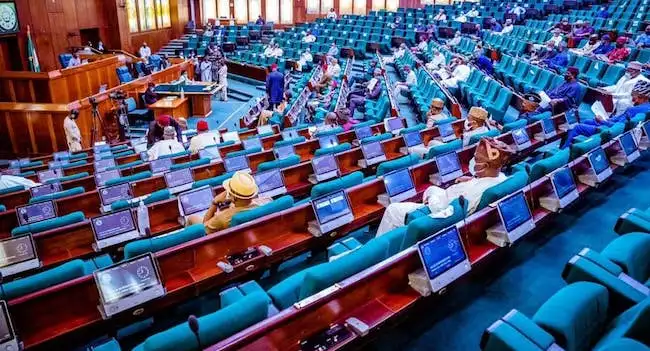
The House of Representatives has released the final print of the Constitution Alteration Bills seeking to provide a constitutional framework for the establishment of state police, among others, scheduled for consideration and voting during Today’s plenary.
The development marks a significant milestone in the ongoing review of the Constitution of the Federal Republic of Nigeria, 1999 (as amended).
A statement signed by Spokesman, House of Representatives, Rep. Akintunde Rotimi, noted that the bills represent the culmination of several months of rigorous legislative work undertaken by the House Committee on Constitution Review, following the receipt and consideration of numerous Constitution amendment proposals from lawmakers, government institutions, professional bodies, civil society organisations, traditional institutions, and citizens across the country.
The review process involved extensive stakeholder engagement through zonal and national public hearings, consultative meetings, expert sessions, and town hall engagements held across the six geopolitical zones, ensuring broad-based citizen participation and input.

The Constitution Alteration Bills span critical thematic areas, including: Electoral Reforms, Judicial Reforms, Security and Policing, Local Government Administration, Inclusive Governance and Citizenship, Legislature, Devolution of Powers, Human Rights, Fiscal Reforms, Strengthening of Institutions, Traditional Institutions, and Creation of States and Local Governments.
Of particular priority is the Constitution Alteration Bill seeking to provide a constitutional framework for the establishment of State Police. The proposal has emerged as one of the most extensively debated reform initiatives in the current review cycle, attracting widespread public interest and stakeholder engagement across the federation.
The bill seeks to strengthen Nigeria’s security architecture by creating an additional layer of policing, while providing constitutional safeguards, clearly defined operational frameworks, oversight mechanisms, and delineation of powers between federal and state policing authorities.
According to the statement, its consideration reflects the growing national consensus on the need for innovative and locally responsive approaches to addressing contemporary security challenges.