
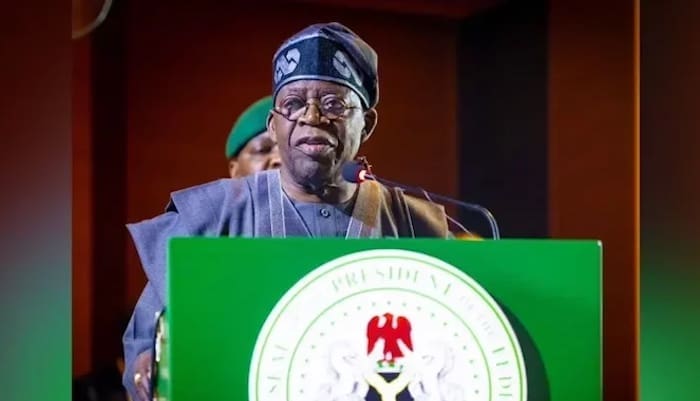
President Bola Ahmed Tinubu used Nigeria’s Democracy Day address to celebrate 27 years of uninterrupted civilian rule, honour heroes of the June 12 struggle, outline security gains, defend ongoing economic reforms, and call for national unity amid persistent challenges.
Here are 10 major takeaways from the speech:
Democracy Has Taken Root: Nigeria has recorded 27 unbroken years of civilian rule since 1999, with peaceful power transitions and disputes resolved through courts and legislatures rather than violence — the longest stretch in the nation’s history.
Call for Credible Off-cycle Elections: Ahead of governorship polls in Ekiti and Osun states, President Tinubu urged INEC, security agencies, and political parties to ensure free, fair, and peaceful elections, warning that public confidence in the democratic process must not be eroded.
Institutions as Democratic Guardrails: The President appealed to the National Assembly, Judiciary, Press, and Civil Society to continue criticising and checking executive power while remaining committed to the progress of Nigeria.

Message to Nigerian Youth: Young people were urged to stay in the country, build their future here, “code here, work here, invest here, and vote here,” with the reminder that great nations are built by citizens who confront problems rather than abandon them.
Security Emergency and Gains: Noting the recent abduction of children in Oyo and Borno states, Tinubu declared security a democratic necessity. He highlighted the recruitment of over 50,000 new police officers, thousands of military personnel, and a record N5.41 trillion defence budget for 2026. Terror-related deaths have dropped by 81% since 2015, with over 13,000 terrorists neutralised and more than 124,000 fighters surrendering.
Economic Reforms Yielding Results: Despite current hardships, the President defended his administration’s reforms, citing increased federation revenues, improved fiscal transparency, 21% growth in non-oil exports, expanded domestic refining capacity, and major interventions in the power sector through the Electricity Act.
Power Sector Revival Underway: Tinubu detailed efforts to fix electricity challenges, including states’ new authority to generate and distribute power, a N4 trillion bond to clear legacy debts, and deployment of off-grid solutions to underserved areas.
Local Government Autonomy for Grassroots Development: The administration’s push for financial autonomy of Nigeria’s 774 local councils aims to strengthen local governance, reduce insecurity, and ensure democratic dividends reach every community.
Honouring June 12 Heroes: The President paid tribute to Chief M.K.O. Abiola, Alhaja Kudirat Abiola, Gani Fawehinmi, Bola Ige, and many others. He announced national honours for dozens of pro-democracy activists and soldier-democrats, and renamed an institute after General Shehu Musa Yar’Adua.
Call for Unity and Economic Freedom: Tinubu stressed that “crime has no ethnicity,” urged Nigerians to reject division and despair, and declared that the current generation’s task is to secure economic freedom so that democracy is “felt in the pocket” through jobs, opportunities, and improved living standards.
The President ended on a note of resilience: “Nigerians do not break. We bend, we bleed, but we do not break,” and called for collective commitment to ensure the labours of past heroes are not in vain.