
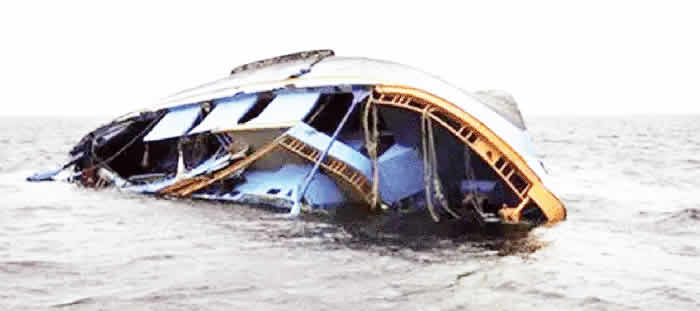
THE Nigerian Safety Investigation Bureau has commenced an inquiry into the boat accident that resulted in the death of 11 people in Benue State, with its Director-General and Chief Executive Officer, Captain Alex Badeh Jr., leading a team of investigators to the scene for an on-site safety assessment.
The development was disclosed in a statement issued yesterday by the bureau’s Director of Public Affairs and Family Assistance, Funke Adebayo-Arowojobe.
According to the statement, the investigative visit to Wadata along the River Benue took place on Wednesday as part of efforts to establish the circumstances surrounding the accident, obtain firsthand accounts from affected communities, and strengthen safety measures on the nation’s inland waterways.
The bureau stated that Benue State Governor, Hyacinth Alia, commended its swift intervention and advocated for a stronger and more consistent NSIB presence in the state to support safety awareness campaigns and risk-reduction initiatives along the River Benue.

In response, Badeh reaffirmed the agency’s commitment to working closely with state governments, local communities, transport operators, and regulatory bodies to enhance transportation safety across the country.
He noted that the bureau remains open to partnerships aimed at promoting safer navigation practices on the River Benue and other inland waterways nationwide.
During a media briefing, Badeh extended condolences to the Benue State Government and the families of the victims, describing the incident as a painful reminder of the importance of strict adherence to safety standards.
He stressed that while accidents occur under varying circumstances, many can be prevented through improved safety awareness, responsible operational practices, and stronger cooperation among regulators, operators, and waterway users.
The NSIB chief explained that the visit was designed not only to uncover the factors behind the accident but also to engage directly with communities that depend on water transportation for their daily activities and livelihoods.
According to him, public education remains one of the most effective tools for reducing risks and preventing future accidents, adding that safety must be viewed as a shared responsibility.
As part of the investigation, the NSIB team met with community leaders, residents, boat operators, and representatives of the Boat Operators Association in Wadata.
The bureau said the interactions provided investigators with valuable eyewitness testimonies and insights into local transport operations, safety procedures, and challenges faced by operators.
It added that information gathered during the visit would contribute to the ongoing investigation and help shape future recommendations aimed at preventing similar incidents on Nigeria’s waterways.