
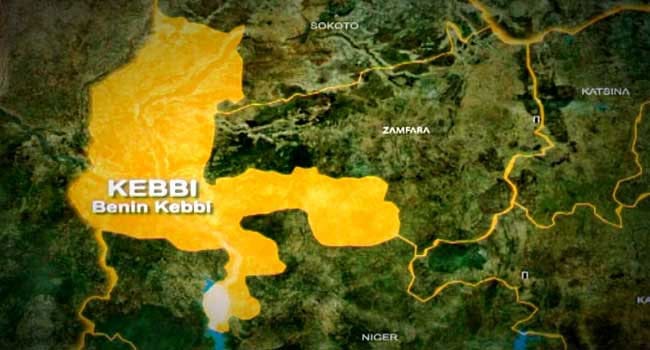
THE Catholic Diocese of Kontagora has raised fresh concerns over rising insecurity in Kebbi State, revealing that 24 people were killed during a violent Easter Sunday attack on Debe village in Shanga Local Government Area.
According to the Diocese, the attack occurred on April 5 when suspected terrorists stormed the community in the evening, unleashing hours of violence that left dozens dead and properties destroyed.
The incident is part of a growing pattern of attacks in border communities between Kebbi and Niger State.
Days before the Debe attack, armed groups had reportedly carried out coordinated assaults on nearby villages including Gebe, Kawara, and Kalkami, burning homes and forcing residents to flee.

Security sources indicated that the attackers may have operated from hideouts within the Wawa Forest in Borgu Local Government Area of Niger State.
While initial police reports placed the death toll at four, the Diocese insisted that at least 24 people were killed, noting that victims included Christians, Muslims, and traditional worshippers highlighting that the violence affected the entire community, not a single religious group.
During the attack, both a Catholic church and a mosque were set ablaze, alongside homes and shops. The assailants reportedly targeted mainly men and young people.
The violence also spread to nearby communities such as Binuwa and Kalkame, where markets and even the emir’s residence were reportedly destroyed.
In the aftermath, hundreds of residents fled their homes. The Diocese disclosed that nearly 500 displaced persons are currently taking refuge at St. Dominic Parish in Yauri, where they urgently require food, clean water, medical care, and shelter.
Calling for immediate action, the Diocese urged the Federal Government and relevant authorities to restore security and ensure displaced residents can safely return home. It also appealed to humanitarian organisations and the international community for urgent support.
The Church warned that fear has gripped communities across the state, with many residents unable to properly bury their dead or rebuild their lives.